
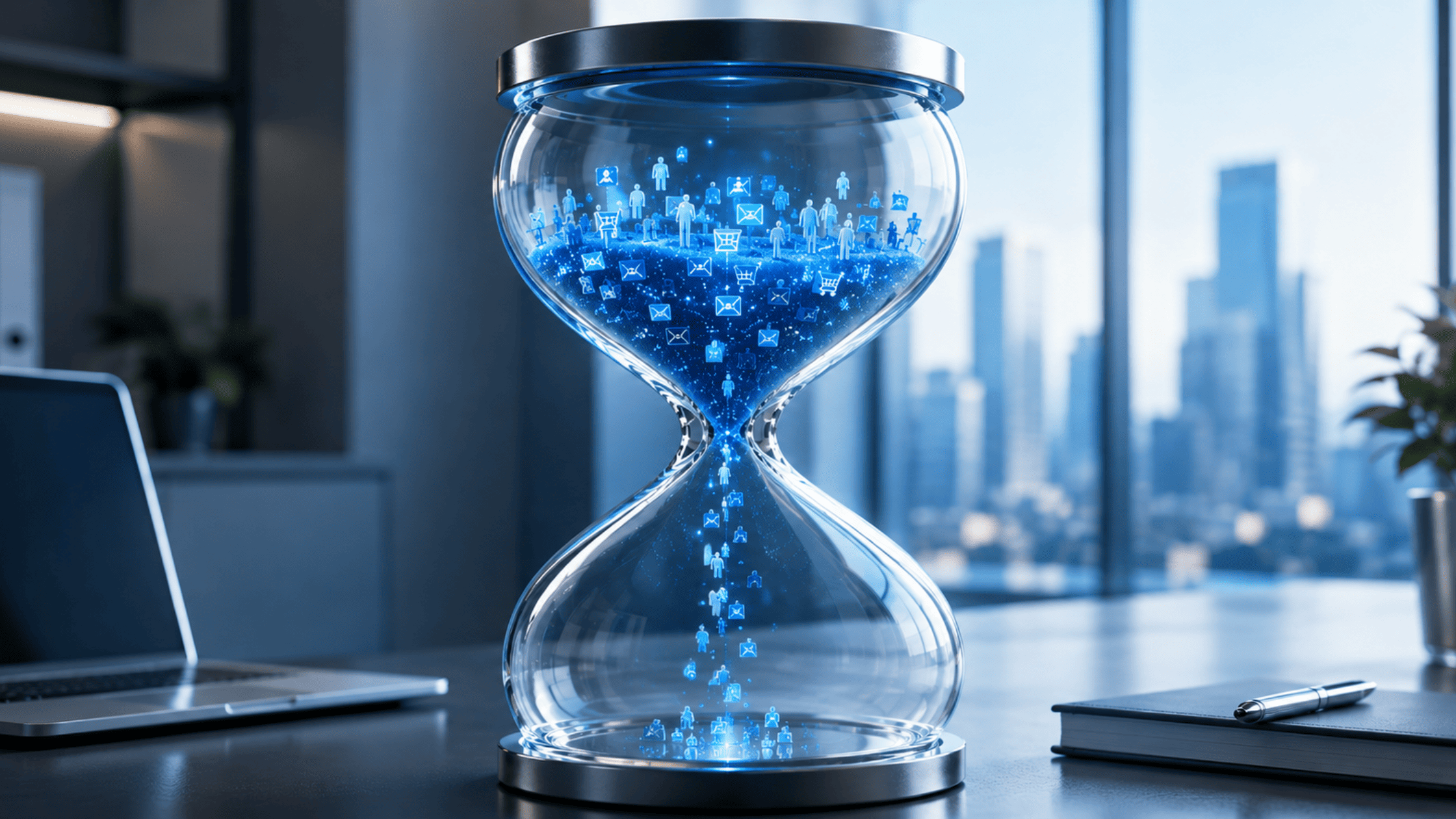
Your website might have an impressive design. It might rank on Google. You may even be investing in SEO, paid advertising, and social media to drive traffic.
But here’s a question many business owners never ask:
What happens after someone clicks on your website?
That’s where website speed becomes critical. If your pages take too long to load, many visitors won’t stick around long enough to find out what you offer. They’ll simply leave—and often, they’ll visit a competitor instead.
That’s the hidden cost of a slow website. It doesn’t just affect performance metrics; it affects first impressions, customer confidence, and business growth.
In today’s digital-first world, website speed isn’t a technical luxury. It’s a business necessity.
Your Website Has One Job: Make a Great First Impression
Think about the last time you visited a slow website.
You probably refreshed the page once. Maybe twice. Then you gave up.
Your customers behave the same way.
People expect websites to respond instantly because that’s the standard they’ve grown accustomed to. Every additional second of waiting feels longer than it actually is, especially when someone is searching for a product, requesting a quote, or looking for urgent information.
The reality is simple:
Visitors don’t compare your website to the slowest one they’ve ever seen. They compare it to the fastest.
That’s why speed influences trust before a single word of your content is read.
A fast website communicates professionalism.
A slow website creates uncertainty.
The Business Cost of a Slow Website Speed
Many companies think website speed is only an SEO issue.
It isn’t.
It’s a revenue issue.
Imagine spending thousands of dollars on Google Ads, social media campaigns, or content marketing to attract potential customers.
They click your advertisement.
Your website loads…
…and loads…
…and loads.
Before your homepage appears, they’ve already left.
Every marketing effort you’ve invested in becomes less effective because your website couldn’t keep up.
That’s why website speed isn’t just about technology—it’s about protecting your marketing investment.
Every Click Is an Opportunity
Consider two local businesses offering nearly identical services.
Both appear on the first page of Google.
Both have professional-looking websites.
Both have competitive pricing.
The difference?
One website loads almost instantly.
The other takes several seconds.
Most visitors won’t consciously think,
“This website is too slow.”
Instead, they’ll simply move on.
It happens in seconds, and often without the business owner ever realizing how many opportunities are quietly slipping away.
Why Google Cares About Website Speed
Google’s mission has always been to deliver the best possible experience for users.
That’s why website performance plays an important role in search rankings.
Search engines want to recommend websites that are helpful, reliable, and enjoyable to use. Speed is one of the signals that helps determine that experience.
A fast website makes it easier for visitors to interact with your content, explore additional pages, and stay engaged.
Over time, those positive experiences can contribute to stronger search visibility, increased organic traffic, and better overall performance.
While great content remains essential, even the best content struggles to perform if visitors leave before it has a chance to load.
The Hidden Reasons Websites Become Slow
Website performance usually doesn’t decline overnight.
It happens gradually.
A few large images here.
An unnecessary plugin there.
Extra scripts, outdated software, inexpensive hosting, or years of neglected maintenance.
Individually, these issues may seem minor.
Together, they create a website that feels sluggish and frustrating to use.
Some of the most common causes include:
- Oversized, unoptimized images
- Poor-quality web hosting
- Outdated plugins and themes
- Excessive third-party scripts
- Unoptimized CSS and JavaScript
- Lack of browser caching
- No ongoing website maintenance
The good news is that most of these problems can be corrected with the right optimization strategy.
A Fast Website Creates Better Business Results
When your website performs well, everything else becomes more effective.
SEO efforts produce stronger results.
Advertising campaigns convert more visitors.
Customers stay on your site longer.
Lead generation improves.
Your business appears more professional.
Perhaps most importantly, your website starts working for your business instead of becoming a barrier between you and potential customers.
Final Thoughts
A slow website can affect more than just loading times. It can influence how visitors perceive your business, how they interact with your content, and whether they choose to contact you or move on to another option.
Improving website speed is an important step toward creating a better online experience. From optimizing images and reducing unnecessary scripts to improving overall site performance, small improvements can make your website more responsive and easier to use.
At Excellent Networks, we help businesses build, maintain, and improve their online presence with reliable IT and website solutions. If your website isn’t performing the way it should, our team can help you identify areas for improvement and create a smoother experience for your visitors.